Jürgen Rehm, Professor and Senior Scientist: "Currently, new methods or drug policies are discarded without having been tested based on very polarized views about drug use and consequences"


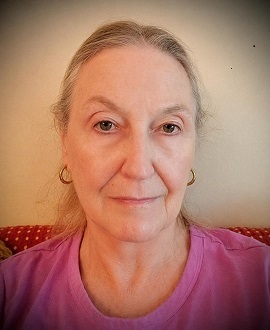
As part of the Barcelona Forum on Drugs, we speak with Zili Sloboda, a prevention expert and President of Applied Prevention Science International.
Question. Based on your experience as an expert in prevention, what is the greatest challenge societies face today in reducing drug use and its consequences?
Answer. Regarding “Prevention” per se, the greatest challenge is that the science shows that although we understand the bases for the onset and engagement in negative behaviors such as drug , that information and we know how to prevent them, this knowledge is not reaching families and communities. In the paper, Normalization of Prevention Principles and Practices to Reduce Substance Use Disorders Through an Integrated Dissemination and Implementation Framework (2023), Sloboda et al provide a framework and recommendations to achieve this goal. Most important is to professionalize the field of prevention. That means having a recognized science-based body of knowledge, skills, and competencies; establishing the authority to define the problems addressed by the profession and their treatment; putting in place sanctions regarding admittance to and training of its members, setting out codes of ethics and standards of behavior of professionals when carrying out their work, and, creating a culture that includes institutions to carry out the work of the professionals. The next challenge is educating professionals whose work includes prevention such as healthcare providers and educators on prevention principles and how they can apply them, and finally, parents and others responsible for the care of children on ‘best prevention practices’.
Q. If you had to identify something we are not doing well enough in prevention, treatment or drug policy, what should we change?
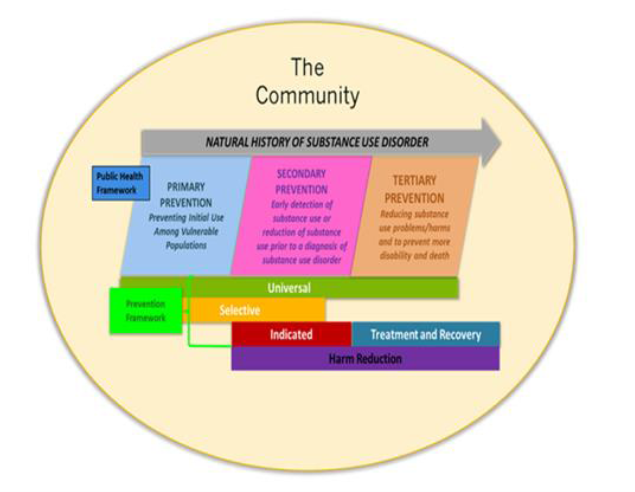
A. I think the most important action we take after ‘professionalizing’ the field is to créate community-based comprehensive substance use service Systems that provide evidence-based services to address the natural history of substance use from universal prevention through to recovery after treatment. Such a system requires well-trained professionals who understand the natural history of substance use (see graphic below from Sloboda Z, Fishbein DH (2026) Using an Epidemiologic Lens to Develop a National Comprehensive Substance Use Service Delivery System. J Subst Abuse Alcohol 13(1): 1108.) and monitoring and evaluation systems to assure the quality of service delivery and document at least short-term outcomes.
The Forum is an opportunity for all these groups to speak with ‘one voice’ on this issue
Q. The ‘Barcelona Forum on Drugs’ brings together governments, researchers, professionals, civil society, young people and people with lived experience. What do we need to do to turn this collaboration into real change?
A. The Forum is the first of many steps in making the changes we need to reduce stigma associated with substance use and to créate. The Forum is an opportunity for all these groups to speak with ‘one voice’ on this issue. Action steps after the meeting is to form working groups to define pathways forward at all levels. Perhaps the graphic presented above could serve as a framework to guide these discussions and actions.
Q. Addiction is a global issue, but social and cultural realities differ greatly. What should be shared globally, and what needs to be adapted to each local context?
A. This is a very challenging question with no easy answer. Addiction and substance use are associated with cultural values that may vary widely. These values not only shape perceptions of the behaviors of those who abuse psychoactive substances but may also be associated with the efficacy of addiction treatment. Addiction science is straight forward and culture free. The science explains the actions of psychoactive substances on our brains and how evidence-based treatment programs work. Furthermore, prevention science considers those factors and events that are associated with the initiation of the use of psychosocial substances including individual factors such as genetics but also those factors related to interactions with key socialization agents such as family and peers as well as environmental factors such as community connectedness, poverty and normative beliefs regarding substance use. Understanding the science and these ‘realities’ help to shape messaging regarding the prevention and treatment of addiction.
Q. What do you think the ‘Barcelona Forum on Drugs’ can contribute?
A. The ‘Barcelona Forum on Drugs’ presents an opportunity to ‘hear’ different voices and to discuss the issues that are of concern across all groups. Listening is key to open discussions around potential comprehensive solutions to address the impact of addiction on individuals, their families, and their communities.